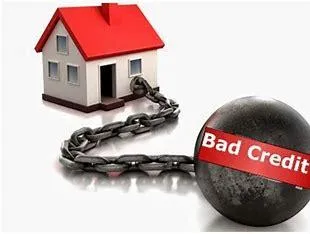
We work with a wide panel of mortgage lenders and search the market on your behalf without affecting your credit score. We will help you understand your options and find the most suitable mortgage for your circumstances.
What is Bad Credit and how do I know if I have it?
“Bad Credit” can mean different things depending on the lender. Some high‑street lenders may class a single missed payment as adverse credit, while other lenders take a more flexible view.
More serious issues include defaults, County Court Judgments (CCJs), missed payments over several months, Individual Voluntary Arrangements (IVAs), bankruptcies, and property repossessions. These events can negatively impact your credit score and how lenders assess your application.
Can I get a mortgage with Bad Credit?
Many clients come to us after being declined by their bank, sometimes for something as small as one missed payment in the last two years. While some lenders may decline, others may still be willing to help.
Whether you can get a mortgage with Bad Credit depends on the type of credit issue, how severe it was, and how long ago it occurred. Many lenders are more comfortable with issues older than three years, especially if any defaults have been settled. Each lender has its own criteria, and we work with a wide range of them.
In some cases, paying off recent or small debts can help, but many lenders will still consider applications where older defaults or CCJs have been satisfied for at least 36 months. You may need a larger deposit depending on the lender’s criteria.
Can you get a mortgage with a 500 credit score?
Some lenders will consider applicants with lower credit scores, particularly at lower Loan‑to‑Value (LTV) levels. Other lenders don’t use credit scores at all and instead focus on the dates, amounts, and number of defaults, CCJs, or IVAs on your file.
Can I get a mortgage with a CCJ?
A CCJ is generally viewed as more serious than a default. Some lenders may consider applications where the CCJ was registered more than 56 months ago, depending on whether it has been satisfied and how the rest of your credit profile looks.
What about a Default?
Lenders look at the size of the default, when it was registered, and how many you have. Small defaults under £100 may be ignored by some lenders, as they can sometimes be applied quickly by utility providers or mobile phone companies.
Some lenders accept up to four small defaults within the last 36 months, while others have stricter limits. Defaults caused by missed utility bills or mobile phone payments are common and can be difficult to remove, but they don’t always prevent you from getting a mortgage.
Can I get a mortgage with an IVA?
IVAs are among the more severe forms of adverse credit. Most specialist lenders require you to have completed the IVA at least two years ago, with the registration typically needing to be six years old or more. IVAs are treated similarly to bankruptcy or repossession in terms of severity.
How can I improve my credit score?
Registering on the electoral roll helps link you to your address. Using a credit card responsibly - such as putting fuel on it each month and paying it off in full - can also help build your credit profile. Consistent, sensible use over six to twelve months can gradually improve your score.
Is the process different for First‑Time Buyers or Remortgages?
The process is similar for First‑Time Buyers and Home Movers. Remortgages are slightly different because you already own the property. Many lenders allow a Product Transfer with your existing lender even if you have recent adverse credit, provided your mortgage payments have been maintained.
If you want to remortgage to a new lender, their Bad Credit criteria will apply in the same way as for a First‑Time Buyer.
How can a Mortgage Broker help if you have Bad Credit?
A broker can be invaluable if you have adverse credit. We have access to lenders with more flexible criteria than many high‑street banks. At Mortgage Brokers Scotland, we work with specialist lenders and niche products that many clients may not be aware of. This gives us a broader range of options to help find a suitable solution for your circumstances.
Please Note: Your home may be repossessed if you do not keep up repayments on your mortgage. There may be a fee for mortgage advice. The actual amount you pay will depend upon your circumstances. Our typical fee range is between £495-£1095, payable on submission of your mortgage application.